
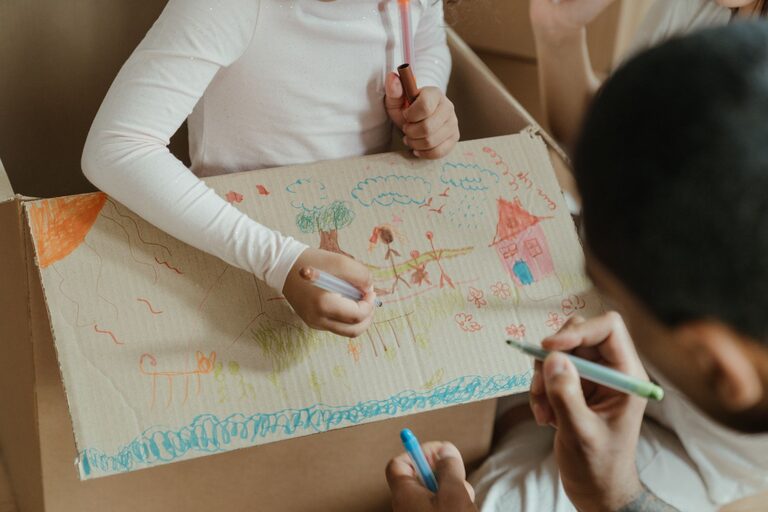
Tips for Keeping Kids’ Art Organized and Cherished
Kids’ artwork is a wonderful expression of their creativity and imagination. From colourful drawings to hand-painted crafts, these creations often accumulate quickly and can easily turn into clutter if not managed well. Keeping kids’ art organised not only helps maintain a tidy home, but it also honours your child’s effort and creativity, making their masterpieces easy to enjoy and revisit.
In this post, we’ll explore simple, effective tips for organising and displaying your children’s art, balancing creativity with order.
Why Organize Kids' Art?
Before we dive into the how-to, let’s consider why it’s important to keep kids’ artwork organised:
– Preserve memories: Each piece represents a moment or milestone in your child’s development.
– Reduce clutter: Prevent piles of paper from overtaking your fridge, counters, or drawers.
– Encourage creativity: A dedicated space for art storage shows your children their creations are valued.
– Easy access: Organised storage means you can quickly find a favourite piece to display or share.
Step 1: Create a Dedicated Art Station
Having a specific area where your children create and store their artwork can make a big difference.
– Choose a spot: A small table or desk in a playroom, bedroom, or kitchen corner works well.
– Provide supplies: Keep crayons, markers, paper, scissors, and glue accessible but contained.
– Add storage: Use bins, drawers, or caddies to hold supplies and completed art.
This setup keeps art materials and finished pieces in one place, minimising mess and making cleanup easier.
Step 2: Sort and Select Regularly
Dealing with the influx of drawings and crafts doesn’t have to be overwhelming.
– Set a schedule: Every week or month, sit down with your child to review recent creations.
– Choose favourites: Select a few special pieces to keep or display.
– Recycle or repurpose: Discard damaged or less meaningful items, or cut artwork into bookmarks, gift tags, or greeting cards.
Involving your child in this process teaches decision-making and helps them appreciate the value of their best work.
Step 3: Use Storage Solutions that Work
Several storage options can help keep artwork organised and protected.
Portfolios and Binders
– Use large, acid-free art portfolios or oversized binders with plastic sleeves.
– Label by date or child’s name for easy reference.
– Store flat artwork safely without folding or wrinkling.
Filing Systems
– Set up a filing cabinet with folders for each child or year.
– Colour-code folders for quick identification.
– Perfect for smaller or loose pieces.
Storage Boxes
– Label boxes by year or theme.
– Store three-dimensional projects carefully, using bubble wrap or tissue paper.
– Stack boxes neatly in a closet or shelf.
Each method keeps artwork contained and safe from damage.
Step 4: Display Creatively
Showcasing your child’s art not only boosts their confidence but also adds a personal touch to your home.
– Rotating gallery: Use a bulletin board, wire and clips, or framed corkboards to display current favourites.
– Digital frame: Photograph artwork and upload images to a digital photo frame for a constantly changing slideshow.
– Art wall: Dedicate a wall or section of a hallway to hang framed or laminated pieces.
– Clipboards or hanging strings: Hang clipboards or attach string with clothespins for an easy rotating display.
Rotate artwork regularly to keep the display fresh and prevent overcrowding.
Step 5: Go Digital for Long-Term Storage
Digitising artwork offers a space-saving way to preserve every masterpiece.
– Photograph or scan: Capture images of drawings, paintings, and crafts.
– Create digital albums: Use photo books, slideshows, or online galleries.
– Share with family: Send digital copies to grandparents or friends easily.
Backing up digital files ensures memories are safe even if originals fade or get damaged.
Step 6: Make Art Part of Your Home’s Décor
Turn your child’s art into lasting keepsakes:
– Custom décor: Have art printed on cushions, mugs, or canvas prints.
– Framing: Invest in professional framing for particularly special pieces.
– Photo books: Compile artworks into yearly photo books for a beautiful archive.
Incorporating art into your home celebrates your child’s creativity in a meaningful way.
Final Thoughts
Organising kids’ art is about striking a balance between preserving those precious creations and keeping your home manageable. By setting up a dedicated space, sorting regularly, using smart storage, displaying creatively, and digitising important pieces, you can celebrate your child’s artistic journey without the mess.
Remember, the goal isn’t to keep every single scrap, but to cherish the moments that matter most.
With these tips, you’ll turn your little artist’s collection into a beautifully curated treasure that your family can enjoy for years to come.
